Stroke Awareness: Risk factors, warning signs, and the role of safe training
STEEL Team
July 24, 2026

Many people believe that stroke is something far removed from their lives: “I’m still young, I exercise regularly, and I maintain a healthy lifestyle - so stroke is unlikely to affect me.”
Proper exercise undoubtedly brings significant benefits to cardiovascular health, physical fitness, and mental wellbeing. However, a healthy lifestyle is not an absolute shield against every health risk.
A person may appear healthy, lift heavy weights, or run long distances, yet still have undetected risk factors such as high blood pressure, abnormal blood lipid levels, vascular abnormalities, or a family history of stroke. This is why understanding your body and undergoing regular health check-ups are just as important as staying active.
A stroke occurs when the brain is damaged because its blood supply is blocked, or when a blood vessel in the brain ruptures. Most cases are ischemic strokes, caused by a blocked blood vessel, accounting for approximately 80–85% of all strokes. The remaining 15–20% are hemorrhagic strokes, caused by bleeding in the brain following the rupture of a blood vessel.
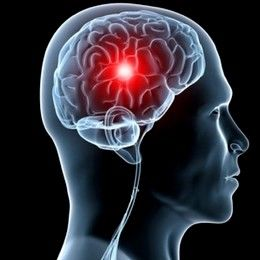
One important point to remember is that stroke does not always come with early warning signs.
Symptoms can appear suddenly, within seconds or minutes. These may include:
With stroke, every minute matters. The sooner treatment begins, the greater the chance of limiting brain damage and improving recovery outcomes.
In training, many people believe that the more they push themselves beyond their limits, the more progress they will make. In reality, progress happens when the body has enough capacity to adapt to the stress of training.

A safe training session is not defined solely by the number of repetitions completed, the weight lifted, or the pace maintained. Just as important is how your body responds during and after exercise.
Symptoms such as chest pain, shortness of breath that feels disproportionate to the level of activity, dizziness, light-headedness, an irregular heartbeat accompanied by discomfort, loss of balance, or unusual exhaustion are signs of an effective workout.
These are warnings that deserve attention. Reduce the intensity, stop the session if necessary, and assess how you are feeling. Pushing through simply to complete one more set or achieve a personal record is rarely worth the risk.
Training intensity should be increased gradually. Someone new to exercise should not suddenly attempt long-distance running, lift excessively heavy weights, or train at high intensity for several consecutive days without adequate recovery.

Your muscles, cardiovascular system, and nervous system all need time to adapt to new demands. Training smart does not mean always training at a lower intensity. It means understanding how and when to challenge yourself, when to rest, and when your body may be sending an unusual signal that needs attention.
Listening to your body is not a sign of weakness or excessive caution. It is a part of responsible training, so that you can become stronger today while maintaining a healthy body for the long term.

