From The Lecture Hall To The Gym: When Theory Becomes Action
STEEL Team
April 3, 2026

As a university lecturer, Tony Nguyễn’s work revolves around lectures, research, and systems of theory built through language, models, and logical thinking. It is an environment where knowledge is carefully analyzed, interpreted, and delivered with clarity and structure.
But beyond the lecture hall, he steps into a completely different space: gym.
A space where nothing is proven through words, but through experience. Where understanding goes beyond grasping concepts, and is instead measured by the ability to apply, to feel, and to push beyond one’s own limits.
It is this contrast that makes Tony’s training journey unique. For him, training is not just about physical development, but a different way of reflecting on learning, discipline, and the relationship between thinking and doing. When theory leaves the page and enters real life, everything becomes more tangible, more honest and demands a deeper level of accountability to oneself.
In his conversation with STEEL, Tony not only speaks about powerlifting as the discipline he pursues, but also shares how training has reshaped his perspective on progress, discipline, and the connection between academic thinking and real-world experience.
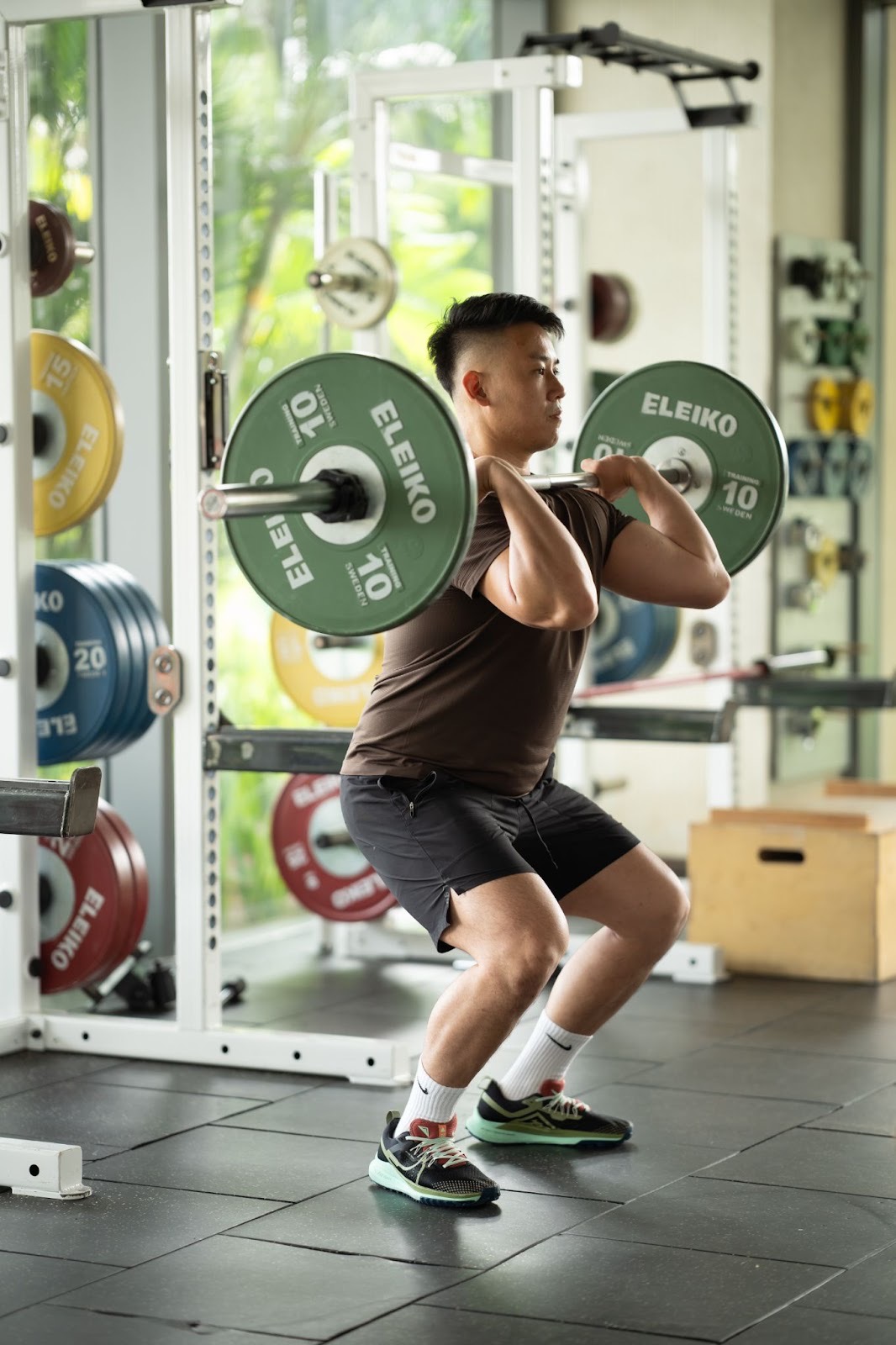
Yeah, so I've been a sports person basically for a very long time, since I was in junior high. I played basketball, I played football, I ran cross country, and it was all from, like, a school perspective. Yeah, like, playing for teams and stuff like that. So I've been into team sports.
So like recently, once I got into powerlifting, that was kind of a transition for me, coming from, you know, football. I still play flag football, and so I'm still a team sports guy first. And then when I started competing in powerlifting, that's when I did individual sport, and so that was a big kind of transition.
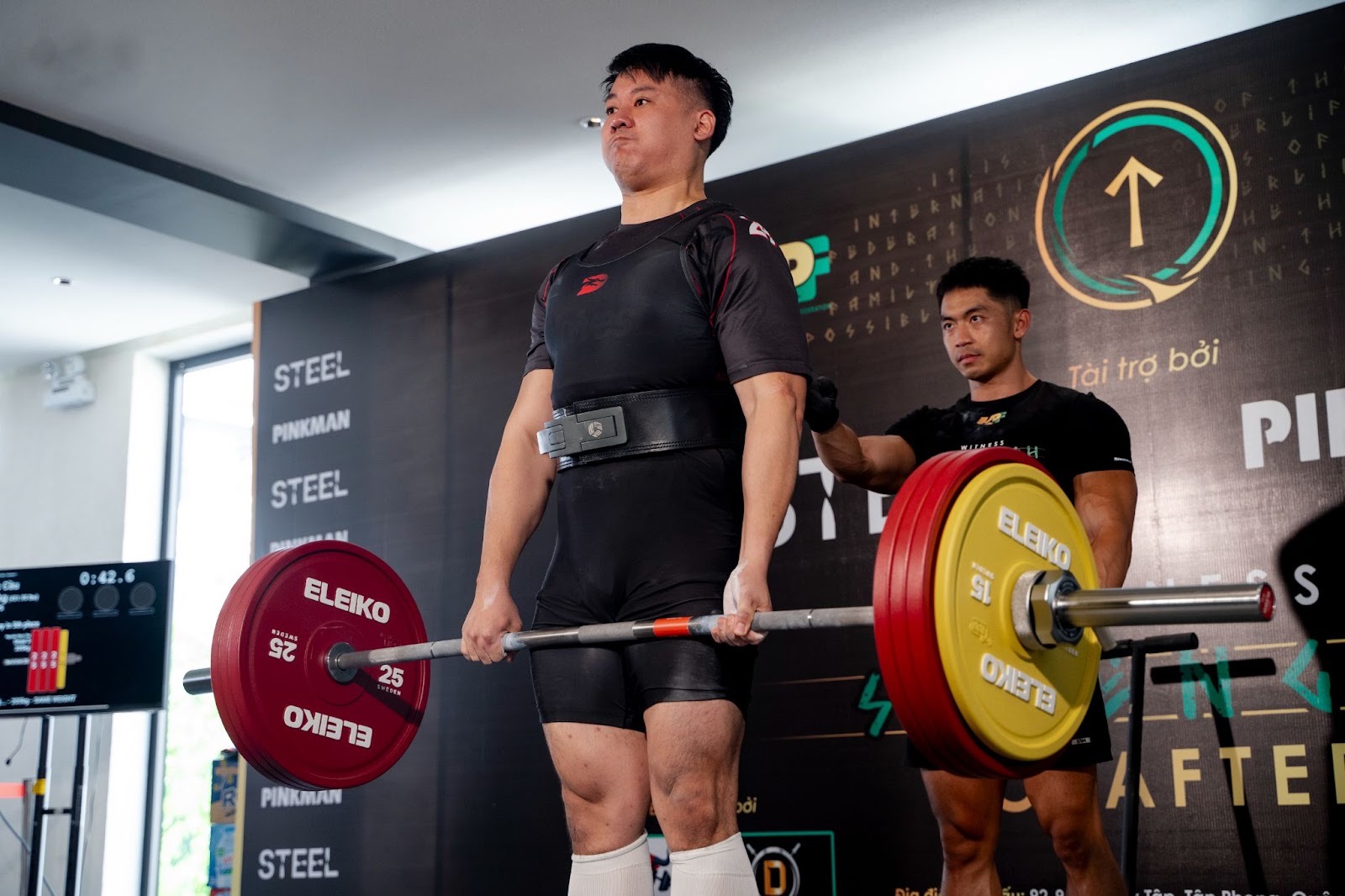
There's a big difference, right? With a team sport, you don't wanna let your team down. So you try to play really well, you try to make the right plays. Anything that you mess up on, you feel bad for the team. But with individual sports like powerlifting, if you mess up, that's on you. The battle is yours, the mental battle isn't, don't let your team down, don't let your teammates down, play good for the team. But the mental battle becomes you versus you. So you have to think, can you do this? You know you can, so you're talking more to yourself in your head than you are about the team. And the other thing was, when I competed powerlifting, um, you know, all eyes were on me. And so when you're playing a team sport, then perhaps you don't feel that much pressure because they're looking at the team as a whole, right? And it's team versus team. In football, for example, there's 10 players on the field. In powerlifting, it's just you. So that was a big transition.
I think that's true in one point, you know, for younger people because that's where you should be. I think that when you're younger, you have more time to train. You have more time to practice. You have more time to kind of discover yourself and what you like. When you get older, it becomes a little bit more challenging to dedicate a lot of time to it. But on the other end of that, I think when you get older, training becomes important for other things, like for health, for mental health, for physical health, for energy levels. So I think it's very important for older people to train.
Yeah, so I think that, as a lecturer, we have a lot of autonomy for our work, right? And so it's up to you to dedicate the time that you need for research, for class prep, for workshops, to build your own intellect and your understanding of certain areas. Nobody's going to stand there and kind of tell you, you have to come to work at 8 o'clock in the morning, leave at 5 p.m. You work with your hours, and it's up to you to make your own progress. And so when it comes to training, to progress, you need to be consistent. And I think the lesson that you could take over from training is to progress in your career, you need to be consistent and work at the things that you need to work at for your own job.
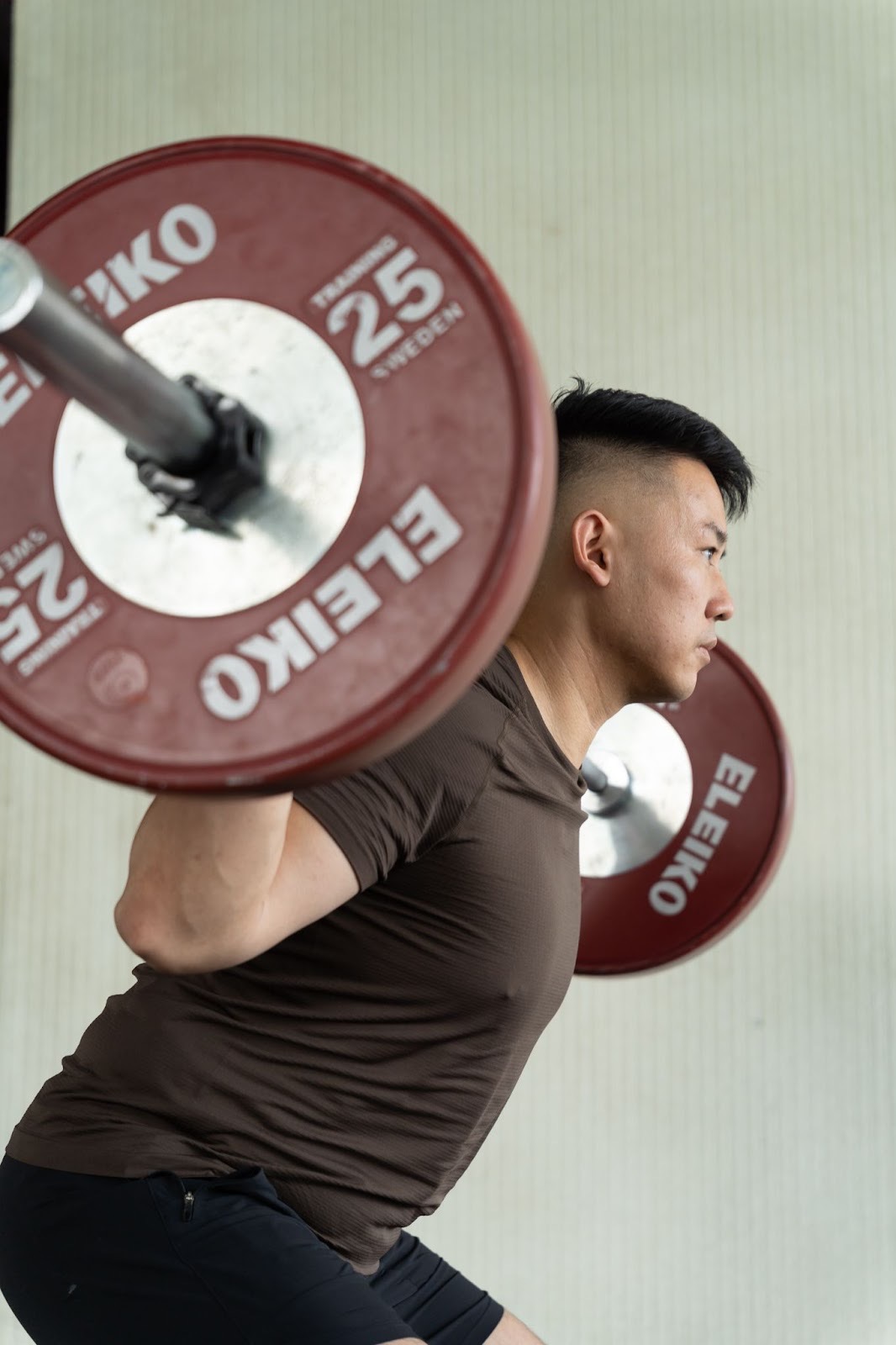
And then another thing is, I'm a lecturer of business. I teach a lot of leadership and management theories. And so students are always kind of, you know, oh, this is too theoretical, too theoretical. And I say that, you know, the only way that it can work is if you try to apply it. So in a training kind of mindset or perspective, if you're watching videos and reading about how to do this lift, how to do this, you're not going to understand it until you start doing it. Then you figure out cues and you figure out things that can work for you. And so that's what I think about kind of like applying theory could also transition to, you know, learning about lifts, learning about working out, and then actually doing it to try to figure out what works for you.
Yeah, I plan on competing this year. I think you said May, right? Yeah, in May here. I'll make the right preparations and I'll compete this year.
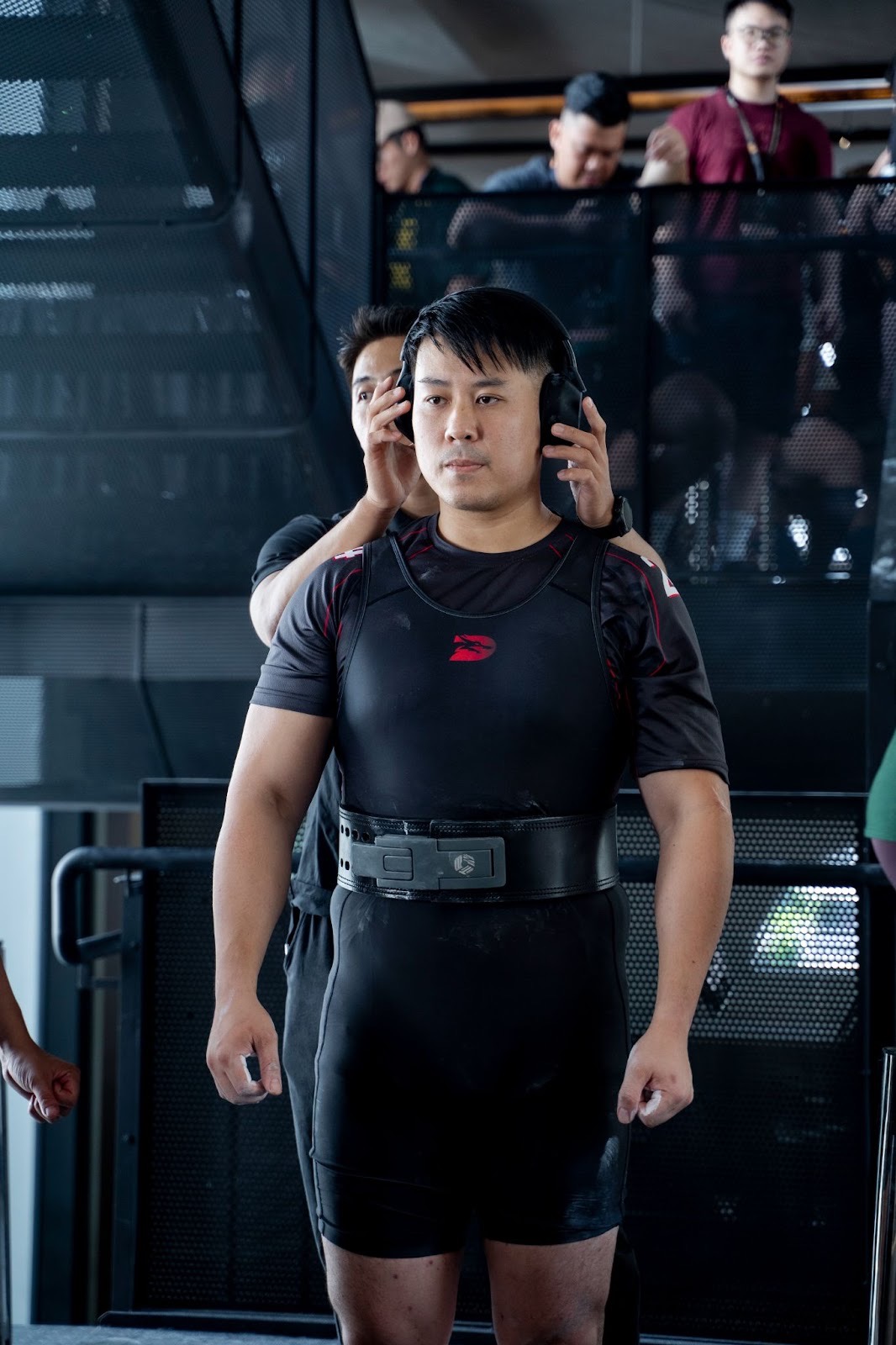
Just start. Find a sport that you like, try it out for a couple weeks, and if you like it, dedicate your time to it, right? And so for me, like when I get into a sport, the test for me is, if I like a sport, I invest in it.

