Estrogen in Men: Why Men Need It and How It Affects Their Health
STEEL Team
November 12, 2026

When it comes to sex hormones, testosterone is often considered the male hormone, while estrogen is associated with women. However, this distinction doesn't fully reflect how the human body works. In reality, both men and women produce testosterone and estrogen. The main differences lie in their levels, how the body regulates them, and the roles they play in various physiological processes.
So, what role does estrogen play in the male body, and what happens when estrogen levels become too low?
Yes, men have estrogen. Although testosterone is the primary sex hormone in men, estrogen is also present and plays an important role in several physiological functions.
In the male body, testosterone doesn't function in isolation. Some testosterone is converted into estradiol, a form of estrogen, by an enzyme called aromatase. This process occurs in various tissues throughout the body, highlighting the close biological relationship between testosterone and estrogen.
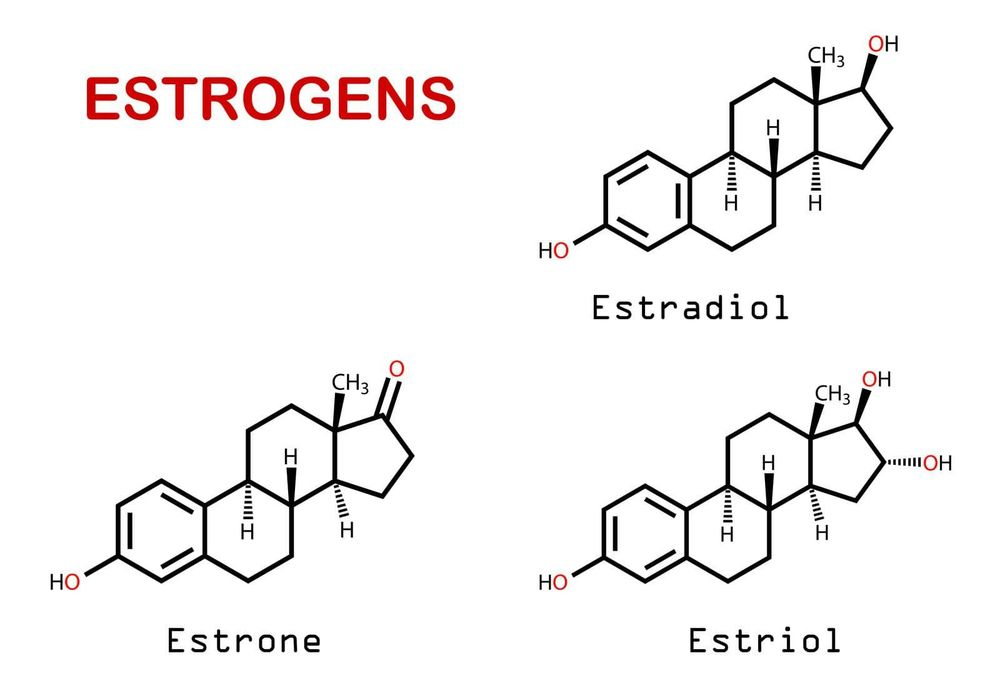
Although estrogen levels in men are generally lower than those in women of reproductive age, this hormone remains essential for several bodily functions, from maintaining bone density to regulating certain metabolic processes.
Estrogen is commonly associated with the menstrual cycle, reproduction, and bone health in women. However, it also plays an important role in men's health, particularly in maintaining bone density, supporting sexual function, and regulating certain metabolic processes.
One of estrogen's most important roles in men is helping maintain bone density. Estrogen helps regulate bone remodeling and limits excessive bone breakdown. When estrogen levels remain too low for an extended period, bone loss may accelerate, increasing the risk of reduced bone density and osteoporosis.
This is one reason why maintaining hormonal health involves more than simply focusing on testosterone.
Beyond bone health, estrogen is involved in lipid metabolism and is associated with cardiovascular function.
Some studies have found an association between low estradiol levels and adverse cardiovascular outcomes in men. However, current evidence is insufficient to conclude that estrogen deficiency directly causes atherosclerosis or abnormal blood lipid levels.
Cardiovascular health is also influenced by numerous factors, including age, genetics, diet, and physical activity. Therefore, estrogen levels should be considered within the broader context of an individual's overall health rather than as an isolated indicator.
Estrogen also plays a role in nervous system function, including mechanisms involved in mood regulation and brain activity. Changes in hormone levels may be accompanied by shifts in mood, emotional well-being, and psychological state.
In men, estrogen contributes to the regulation of sexual desire, erectile function, and sperm production. Some studies suggest that when estradiol levels become too low, libido and erectile function may decline, even when testosterone levels remain within the normal range.
This is why attempting to lower estrogen through medication without medical supervision, a practice sometimes seen among gym-goers, can have unintended consequences.
Testosterone is often seen as the defining hormone of male health, while estrogen is closely associated with female physiology. However, the human body doesn't operate according to such rigid distinctions. Men need estrogen to maintain several essential physiological functions, just as women need testosterone for certain processes in their bodies.
More importantly, hormonal health isn't simply about having higher or lower levels of a particular hormone. Each hormone needs to remain within a range appropriate for an individual's physiology, age, and overall health.
In men, both excessively low and elevated estrogen levels can have consequences. As discussed earlier, low estrogen can affect bone health, libido, and sexual function. On the other hand, elevated estrogen levels relative to testosterone may be associated with increased body fat, reduced sexual desire, or abnormal enlargement of breast tissue, a condition known as gynecomastia.
Rather than focusing on a single hormone level, it's important to understand how these hormones interact and contribute to overall health.
One significant factor is body fat. Adipose tissue contains the enzyme aromatase, which converts testosterone into estradiol. As body fat increases, aromatase activity can also increase, potentially leading to greater conversion of testosterone into estrogen.
This can create a cycle: lower testosterone makes it harder to maintain muscle mass and manage body fat, while excess body fat pushes testosterone levels down even further.
Other factors, including age, sleep, alcohol consumption, and chronic stress, can also influence hormonal regulation. Testosterone levels generally decline with age, while prolonged sleep deprivation and excessive alcohol consumption have been associated with lower testosterone levels and changes in hormone metabolism.
Many of these factors can be influenced by everyday habits. Regular strength training helps preserve muscle mass and improve insulin sensitivity. Keeping body fat within a healthy range supports metabolic health and may help reduce excessive aromatase activity. Getting sufficient sleep, limiting alcohol consumption, and managing chronic stress also support the body's natural hormonal regulation.
In other words, supporting healthy hormone levels isn't about trying to manipulate a single number. It's about taking care of the broader physiological systems that regulate hormonal health.
If you experience persistent symptoms such as reduced libido, unexplained fatigue, difficulty maintaining muscle mass despite consistent training, or unusual breast tissue enlargement, talk to a doctor about your symptoms and whether hormone testing is right for you.
Hormone test results are most meaningful when interpreted alongside your age, symptoms, medical history, and overall health.
Understanding hormones is part of developing a more complete picture of health, one that goes beyond physical appearance. If you suspect a hormonal imbalance, seek appropriate medical evaluation rather than self-medicating or relying on supplements to adjust your hormone levels.

